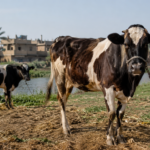



As Eid El-Adha approaches, Egypt has placed its agriculture and veterinary services on high alert to protect livestock health, ensure the safety of sacrificial animals and maintain food supply during one of the country’s most important religious and social periods.
Egypt’s Ministry of Agriculture and Land Reclamation has announced a state of maximum readiness across its departments, affiliated bodies and agricultural and veterinary directorates in all governorates ahead of Eid El-Adha.
The move is part of the government’s wider plan to ensure that citizens have access to safe animals, inspected meat and essential food products during the holiday period.
According to Minister of Agriculture and Land Reclamation Alaa Farouk, central operations rooms have been established at the ministry, supported by units in governorates across the country. These teams will operate around the clock to coordinate field activities, receive complaints from citizens and respond rapidly to emergencies.
The ministry has also suspended leave for key personnel in the veterinary and land protection sectors during the holiday period, reflecting the importance of continuous field presence at a time when livestock markets, slaughterhouses and food supply chains are under increased pressure.
Veterinary inspection campaigns will be intensified in livestock markets and slaughterhouses to verify the health and safety of sacrificial animals and ensure compliance with veterinary regulations. These measures are particularly important during Eid El-Adha, when demand for livestock and meat increases sharply.
Beyond animal health, the ministry is also working to ease financial pressure on households by increasing the supply of meat and food products at subsidized prices through fixed and mobile outlets. This measure is intended to support consumers while helping stabilize access to basic food commodities during the festive season.
The authorities also warned against illegal construction on agricultural land during the holiday period. Monitoring teams will remain active, and violations are expected to be removed immediately in accordance with the law. For Egypt, protecting agricultural land remains closely linked to food production, rural livelihoods and long-term food security.
The heightened readiness comes as Egypt continues its nationwide livestock vaccination campaign against foot-and-mouth disease and Rift Valley fever, launched on 28 April 2026 by the General Authority for Veterinary Services.
As of 23 May 2026, a total of 5,840,800 vaccine doses had been administered across villages and districts nationwide. Of these, 3,135,575 animals were vaccinated against foot-and-mouth disease, while 2,705,225 animals received vaccines against Rift Valley fever.
The link between vaccination, market inspection and slaughterhouse control is central to protecting both animal and public health. Foot-and-mouth disease can cause major economic losses in livestock production, while Rift Valley fever is a zoonotic disease that can affect animals and humans.
By strengthening veterinary presence before Eid, Egypt is seeking not only to protect consumers, but also to reduce disease risks, support livestock keepers and maintain confidence in animal-source food supply chains.
The measures underline a broader message for African countries: festive periods involving large-scale animal movement and slaughter require strong coordination between veterinary services, local authorities, livestock traders, slaughterhouses and communities.
In this context, Egypt’s approach highlights the importance of preparedness, surveillance, vaccination and food safety controls as pillars of resilient livestock systems.