


Across Africa, millions of smallholder farmers depend on sheep and goats as a source of protein and income. Yet their herds face a devastating enemy: peste des petits ruminants (PPR), a highly contagious viral disease with mortality rates reaching up to 90%. The disease causes fever, pneumonia, diarrhea, and severe inflammation of the respiratory and digestive tracts. For many families, an outbreak means losing their entire source of livelihood overnight.
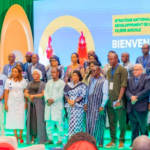
At a recent gathering in Brazzaville, livestock keepers raised an urgent alarm. Nigerian farmers described catastrophic losses, emphasizing that international donors must act “not tomorrow, but now.” From the Chad, the Minister of Livestock emphasized that while technical expertise exists, financial resources remain insufficient. These testimonies highlight the human cost of inaction and the pressing need for coordinated support.
The European Union has already committed €8 million, with a second phase of €40 million planned. Organizations such as the FAO and the World Bank are being urged to expand their contribution simultaneously across all countries.
After the historic eradication of rinderpest in 2011, the world set its sights on eliminating PPR by 2030. Achieving this goal would safeguard the livelihoods of over 1.3 billion people worldwide who rely on small ruminants. For Africa, it would mean stronger food security, reduced poverty, and a more resilient livestock sector. The path forward demands urgent mobilization, sustained financing, and veterinary leadership to ensure that vaccination campaigns are effective and universal.
The core issue is not Nigeria, Chad, or Brazil individually, but the collective African mobilization needed to eradicate PPR. Without coordinated vaccination and financing, the disease will continue to devastate communities. With it, Africa can replicate the success of rinderpest and secure a healthier future for its farmers.