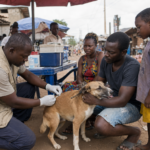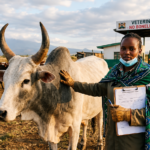



As Nairobi hosts the Africa Forward Summit 2026, with a strong focus on investment, innovation, sustainable agriculture, health, the blue economy, artificial intelligence and development finance, AfricaVET highlights one strategic message: Africa’s sustainable transformation cannot be achieved without stronger, smarter and better-financed investment in animal resources.
Nairobi is hosting the Africa Forward Summit 2026, a high-level Africa–France gathering dedicated to new investment partnerships, innovation and growth. The summit places several key priorities at the centre of Africa’s development agenda: sustainable agriculture, health, artificial intelligence, digital technologies, the blue economy, energy, industrialisation, finance, peace and security.
Behind these major priorities, one sector deserves stronger attention: animal resources.
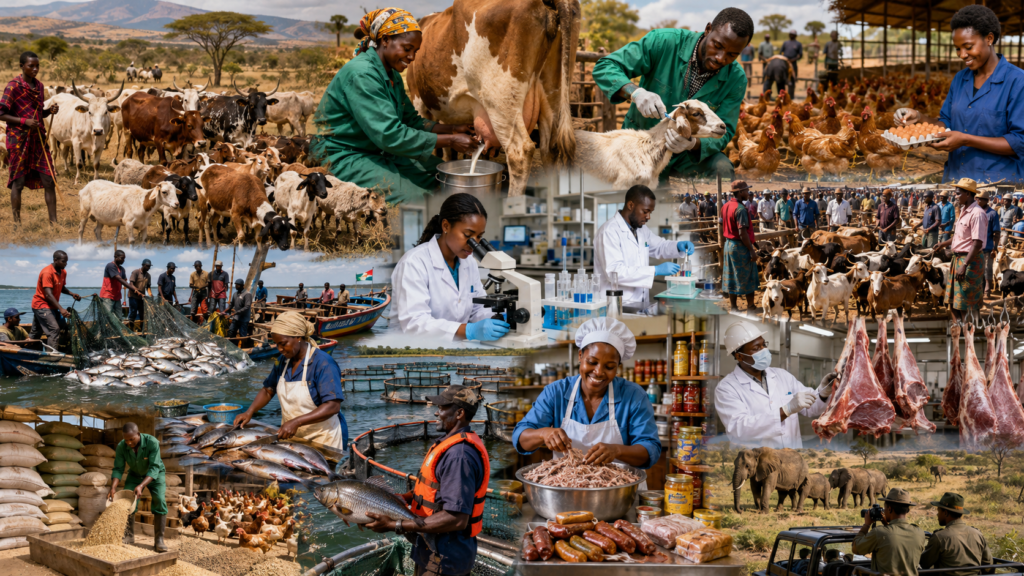
In Africa, animal resources go far beyond livestock production. They include animal health, livestock systems, fisheries, aquaculture, wildlife, animal welfare, veterinary services, laboratories, food safety, trade in animals and animal products, and the broader value chains that connect rural producers to markets.
These sectors feed families, create jobs, support women and young people, supply local markets, strengthen rural resilience and contribute directly to food and nutrition security.
Yet, in major investment discussions on Africa’s future, animal resources are still too often treated as technical or secondary sectors. This is a strategic mistake.
Investing in animal resources is not only about financing farms, herds, fish ponds or slaughterhouses. It is about investing in a real economy rooted in African territories — an economy capable of generating value, reducing poverty and supporting the continent’s agro-food transformation.
This vision is fully aligned with key continental frameworks adopted by the African Union. The Livestock Development Strategy for Africa — LiDeSA 2015–2035 aims to transform Africa’s livestock sector for accelerated and equitable growth. The AU-IBAR Strategic Plan 2024–2028 provides a continental framework for animal resources development and supports the implementation of major African priorities, including LiDeSA, the CAADP agenda, fisheries and aquaculture frameworks, pastoralism, animal health and biodiversity strategies.
The same logic is reflected in the new CAADP 2026–2035 framework and the Kampala Declaration, which place resilient and sustainable agrifood systems at the heart of Africa’s development pathway. These frameworks recognise the importance of animal health, disease surveillance, veterinary vaccines, sustainable production and regional trade.
These are not theoretical issues. They respond to daily realities across the continent.
In many African countries, one animal disease outbreak can push thousands of households into vulnerability. An outbreak of peste des petits ruminants can destroy goats and sheep that represent the savings of rural families. Avian influenza can weaken an entire poultry value chain. Foot-and-mouth disease can close markets, restrict animal movements and reduce livestock incomes. Poor food safety standards can threaten consumers’ health and undermine trust in markets.
This is why veterinary services must be recognised as economic infrastructure.
They do not only protect animals. They protect income, jobs, markets, public health and food systems.
From this perspective, the priorities of the Africa Forward Summit — sustainable agriculture, health, the blue economy, artificial intelligence, finance and industrialisation — create important entry points for the sectors covered by AfricaVET.
Sustainable agriculture cannot move forward without productive livestock systems, quality animal feed, disease control, veterinary support and market access. Health cannot be addressed only from a human perspective, because zoonoses, antimicrobial resistance, food safety and emerging diseases remind us every day of the importance of the One Health approach. The blue economy cannot grow sustainably without stronger aquaculture governance, aquatic animal health, biosecurity, disease surveillance and quality control.
Digital innovation and artificial intelligence also open new opportunities for the animal resources sector. Animal health data, early warning systems, livestock movement monitoring, risk mapping, traceability and reporting platforms can help countries anticipate disease outbreaks, target vaccination campaigns and secure regional trade.
Africa should not only consume technologies developed elsewhere. It must develop its own digital solutions, adapted to field realities: pastoral areas, livestock markets, family farms, porous borders, limited connectivity, mobile herds and diverse production systems.
The financial dimension is equally important.
Many investments in livestock, aquaculture, veterinary laboratories, veterinary pharmacies, slaughterhouses, dairy processing, cold chain systems and digital animal health platforms are still perceived as risky. Yet, when they are properly regulated and supported, these investments can generate stable income, create local jobs and strengthen food sovereignty.
The challenge is therefore to make animal resources projects more bankable.
This requires reliable data, clear regulatory frameworks, strong veterinary services, respected sanitary standards, insurance mechanisms, public-private partnerships and better engagement with financial institutions.
Africa needs greater investment in veterinary vaccines, quality medicines, laboratories, animal health workers, disease surveillance, biosecurity, traceability, food safety inspection, aquatic animal health and the modernisation of animal-source food value chains.
Pastoral systems must also be better recognised. Across many African regions, livestock mobility, transhumance corridors, water points, animal markets, vaccination services and cross-border trade are essential to livelihoods, peace, food security and climate resilience.
In pastoral areas, investing in animal resources means supporting mobility, reducing conflict, strengthening veterinary access, protecting livelihoods and improving regional trade.
For AfricaVET, the message is clear: animal resources must move from the margins to the centre of Africa’s investment strategies.
They must be fully integrated into discussions on climate finance, industrialisation, intra-African trade, the AfCFTA, public health, agro-food transformation, the blue economy, youth employment and women’s economic empowerment.
The Africa Forward Summit 2026 therefore offers a political and economic opportunity: to remind decision-makers that Africa’s transformation will not happen only through major infrastructure, mining, energy or digital technology. It will also happen in farms, grazing areas, livestock markets, veterinary laboratories, fishing ports, aquaculture ponds, slaughterhouses, processing units and frontline veterinary services.
Investing in animal resources means investing in a productive, food-secure, resilient and sovereign Africa.
It means protecting animals, but also protecting families.
It means strengthening veterinary services, but also strengthening markets.
It means improving animal health, but also protecting public health.
It means supporting livestock and aquaculture, but also creating jobs, expanding trade and stabilising territories.
As Africa speaks about its future in Nairobi, animal resources must be part of the equation.