


The African Union InterAfrican Bureau for Animal Resources (AU-IBAR) organised an important Stakeholder Initiation and Consultative Workshop from 24th to 28th July 2023 in Naivasha, Kenya.
The meeting was organised under AU-IBARs Resilient African Feed and Fodder Systems (RAFFS) Project. The project aims to enhance collaboration across the continent to address issues of lack of sufficient feed and fodder which are critical for the development of livestock and agricultural sectors.
This event saw delegates from selected African Union Member States of Kenya, Cameroon, Nigeria, Somalia, Uganda, and Zimbabwe discuss pertinent issues on feed and fodder shortages amidst the triple C global crises of Climate Change, Covid-19 and the Conflict in Russia-Ukraine.
Feed and fodder are pivotal to the livestock sector, accounting for a substantial 60 to 70% of total costs. The demand for these resources has outstripped supply, leaving livestock populations undernourished and impacting productivity. The RAFFS Project aims to reverse these trends by addressing deficits and fostering sustainable development in African livestock farming. Experts shared their countries challenges, opportunities and proposed solutions to the crises.
Addressing the Crises
Dr. Christopher Wanga, Director of Livestock Policy Research and Regulations for Kenya, opened the workshop by underscoring the project’s pivotal importance in securing Africa’s food and nutritional security. He stressed the necessity of accessible data in attracting investments, echoing the role of data-driven methodologies in business.
Dr. Annie Lewa, Senior Projects Officer at AU-IBAR, outlined the dire effects of the triple crises on Africa’s feed and fodder sector and highlighted the project’s focus on regions deeply impacted by these crises. The RAFFS Project intends to engage with six African Union Member States where livestock plays a significant role in livelihoods and economies.
The RAFFS Project is three-year ambitious intervention geared towards finding immediate, evidence-based solutions to counteract the harmful effects of these crises on Africa’s feed and fodder systems. It aims to strengthening analytical capabilities, identify existing successful models, and build strategic partnerships for impactful interventions.
Regional and Member States Insights
Representatives from the Regional Economic Communities provided insights into their strategies to address feed and fodder challenges:
The IGADs region noted that it was important to focus on sustainable wealth generation and employment opportunities through livestock and livelihood resource development. Tools have been developed to counter the triple C challenges. Strategies like the Pictorial Evaluation Tool and Feed Inventory and Balance Sheet have been created in order to mitigate against the feed shortages in Ethiopia, Somalia, Kenya, South Sudan, and Djibouti. The ECCAS region on the other hand emphasized the need for standardized data readiness and advocated for tailored database solutions to meet project requirements. The EAC highlighted the potential for collective progress within the feed and fodder value chain and the region’s comparative advantages in this sector. SADC stated its commitment to proactive measures in tackling feed and fodder challenges, showcasing their dedication to sustainable agricultural practices.
During the workshop, delegates from various countries highlighted the pressing challenges facing their feed and fodder sectors and proposed viable solutions. These solutions included: price monitoring, localized input production, and conflict resolution mechanisms, all aimed at bolstering the poultry and livestock value chains. Addressing production costs, trade regulations, and pasture-feed-production systems emerged as vital focus areas. Additionally, discussions centred around an export-oriented pastoralist production system, seeking to tackle issues such as inadequate commercial feed manufacturing and fodder production practices. The importance of investing in the local feed industry was also underscored.
Gender and Resilience
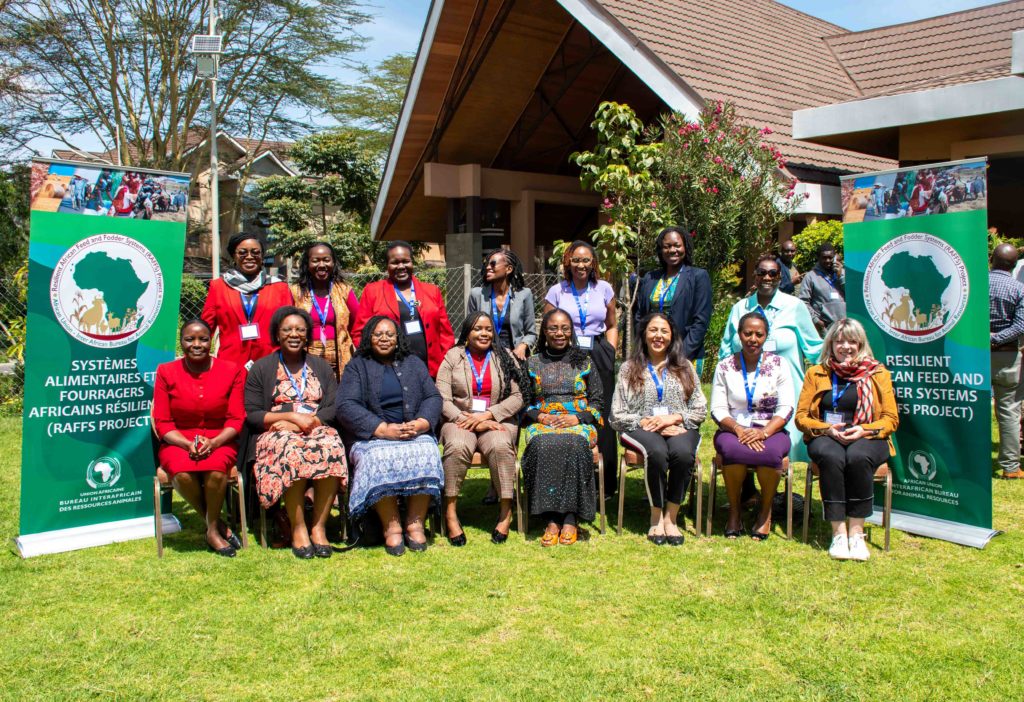
The Africa Women in Animal Resources Farming and Agribusiness Network (AWARFA) underlined the indispensable role of women in the feed and fodder sector. They emphasized the importance of equity, empowerment, and financial inclusion for women in the industry, urging governments to prioritize investing in feed and fodder to enhance food and nutritional security.
Member States Commitment
With a comprehensive range of discussions, analyses, and recommendations, the workshop marked a resounding commitment towards the realization of the goals of RAFFS Project. The delegates recognized the urgency of addressing the feed and fodder crisis and highlighted the importance of co-ordinated action and investments to ensure the resilience and sustainability of Africa’s livestock sector. As the continent faces ongoing and future challenges, this initiative represents a significant stride towards safeguarding livelihoods, food security, and the overall well-being of African nations.
The Workshop brought together 54 delegates, representing six African Union Member States and four Regional Economic Communities (RECs). These were the East African Community (EAC), Economic Community of Central African States (ECCAS), Intergovernmental Authority on Development (IGAD), and Southern African Development Community (SADC). Key players from both public and private sectors, including farmers, associations, women’s networks, manufacturers, financial institutions, academia, and research bodies attended the meeting.
Source : AU-IBAR, 2023