


Africa stands at the crossroads of a profound epidemiological and technological paradox. While the continent bears a disproportionate burden of infectious disease threats many of which originate at the fragile interface of human, animal, and environmental ecosystems simultaneously pioneering some of the world’s most agile digital innovations.
The traditional, siloed approach to health security is no longer just inefficient; it is dangerous. Because veterinary data remains locked in agricultural ministries, environmental degradation is tracked independently by climatologists, and human clinical data sits in isolated hospital registries.
To bridge these gaps, the African Union Interafrican Bureau for Animal Resources (AU-IBAR) is championing a paradigm shift. By bypassing legacy, fragmented systems, the continent is building a unified, predictive, and digitally-driven One Health architecture, a visionary framework designed to translate continental innovation into life-saving, local realities.
At the core of the AU digital One Health initiative is the fusion of disparate data streams into a single, cohesive ecosystem of actionable intelligence because true biosecurity exists in the intersections between disciplines.
By applying advanced data analytics to these cross-sectoral inputs, the platform transforms raw, historical data into predictive foresight. It allows public health officials, veterinarians, and environmental experts to see the full picture in real-time, shifting the continent from a stance of reactive crisis management to one of proactive mitigation.
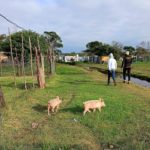
To understand the power of this integrated intelligence, we must look at how it alters realities on the ground. Consider a hypothetical, yet highly realistic, scenario in a pastoralist community. Months before a single human patient presents with severe hemorrhagic symptoms at a local clinic, the environment speaks. Satellites log unseasonal, torrential rainfall, leading to localized flooding. This environmental data triggers an automated alert within the Digital One Health platform, flagging an increased risk for Rift Valley Fever (RVF) a climate-sensitive, mosquito-borne zoonosis.
Armed with this foresight, veterinary officers are dispatched to the zone. Mobile-equipped community animal health workers begin logging localized clusters of spontaneous abortions in sheep and goats. Because the platform bridges the digital divide between sectors, this veterinary spike automatically triggers an alert to the human healthcare sector in the same district.
Local clinics immediately stock diagnostic kits and supportive therapeutics. Mosquito control measures are deployed to suppress the vector population. Community leaders receive targeted SMS alerts in local languages, advising pastoralists to avoid contact with sick animals and use protective equipment. By the time the virus attempts to jump from livestock to humans, the outbreak is contained at its source turning data into a shield for the most vulnerable.
Transformative visions, however, must be insulated against superficial critique by confronting hard operational realities. Skeptics frequently argue that ambitious digital platforms in Africa fail due to poor governance, erratic financing, and a disconnect from “last-mile” infrastructure. The AU-IBAR framework deliberately addresses these vulnerabilities through a “think end” design narrative closing gaps before they can be exploited.
AU-IBAR is advocating for a shift toward sustainable, domestic co-financing and public-private partnerships (PPPs). By demonstrating the clear return on investment (ROI) of prevention over response where, a dollar spent on digital early-warning saves thousands in outbreak containment.
The technology is engineered from the ground up for low-bandwidth and offline functionality. Utilizing USSD protocols, lightweight mobile applications, and asynchronous data syncing, the platform ensures that front-line workers can input and receive vital data without needing continuous 4G connectivity. Capacity building is localized, empowering community health workers to be co-creators of the data ecosystem rather than passive users.
Our path forward is illuminated by the lessons of history. The 2014–2016 re-emerging West African Ebola epidemic and the global disruptions of COVID-19 taught us that waiting for human hospitalizations to signal a pandemic is a fatal strategy. Furthermore, historical successes such as the eradication of Rinderpest in Africa, a triumph led by AU-IBAR through coordinated, continental veterinary surveillance prove that when Africa unites its technical and political will, it can conquer global biological threats.
The Digital One Health platform is the modern evolution of that legacy. It recognizes that human health is inextricably linked to the health of the livestock that sustain our economies and the ecosystems we share. By scaling this digital innovation, the African Union is not just reacting to the threats of today; we are anticipating the challenges of tomorrow. We invite policymakers, financial institutions, technical experts, and local communities to join us in this critical endeavor. Together, we can turn continental innovation into local resilience, securing a healthier, safer, and more prosperous Africa.