A propos

AfricaVet.com est une plateforme panafricaine dédiée à la médecine vétérinaire et à la santé animale en Afrique. Elle propose des actualités, des analyses et des ressources techniques dans une approche One Health, ainsi que des outils pratiques (veille et alertes, dossiers, infographies, agenda, applications,..) et des opportunités (emplois, formations, événements, …) au service de la communauté vétérinaire et des filières.

Contactez-nous

Contactez-nous

Vous souhaitez proposer un sujet, partager un communiqué, publier une opportunité (emploi/appel/formation) ou signaler une information en santé animale ? L’équipe AfricaVet est à votre écoute.

Contacts

Rédaction (articles, interviews, droit de réponse, opportunités, partenariats)
Email : redaction@africavet.com

Corrections / signalements
Merci d’indiquer le lien de l’article, l’élément à corriger et une source justificative.
Email : contact@africavet.com

Communiqués et alertes sanitaires

Envoyez vos informations avec : pays, date, source et lien/document officiel.

Réseaux sociaux

Facebook : https://www.facebook.com/africavetwebportail
X : https://x.com/africavet
LinkedIn : https://be.linkedin.com/in/africavet-v%C3%A9t%C3%A9rinaire-4b43a920

Confidentialité

Les informations transmises via le formulaire ou par email sont utilisées uniquement pour traiter votre demande et ne sont pas partagées, sauf nécessité éditoriale ou obligation légale.

Important

AfricaVet est une plateforme d’information. En cas d’urgence sanitaire ou de situation clinique, contactez un vétérinaire et/ou les services vétérinaires compétents.


Formulaire de contact (WordPress)

Champs recommandés : Nom, Organisation/Fonction, Pays, Email, Objet, Type de demande (liste), Message, Liens/Références, Pièce jointe (optionnel).

Case à cocher :
« J’accepte que mes informations soient utilisées uniquement pour répondre à ma demande. »

Cameroon Steps Up Wildlife Health Surveillance as a One Health Imperative

Cameroon sits right at the heart of the Congo Basin, its incredible biodiversity means that human-wildlife contact is a daily reality, creating a high-risk environment for diseases to jump from animals to humans. To protect ourselves, we urgently need integrated health surveillance systems that treat wildlife as our first line of defense.

Across the country, communities interact with wildlife every day through hunting and the bushmeat trade. These deep-rooted practices naturally increase exposure to animal-borne diseases. Despite this, tracking wildlife health has historically been limited. Animals like fruit bats and primates are well-known natural reservoirs for viruses. By monitoring them as sentinel species, we can identify health threats early long before they reach local communities or domestic livestock.

This week, the Cameroon National One Health Platform (PNPLZER), with technical and financial backing from CIRAD, CIFOR-ICRAF, and the FAO, has convened a national workshop to build a truly integrated wildlife health monitoring network.
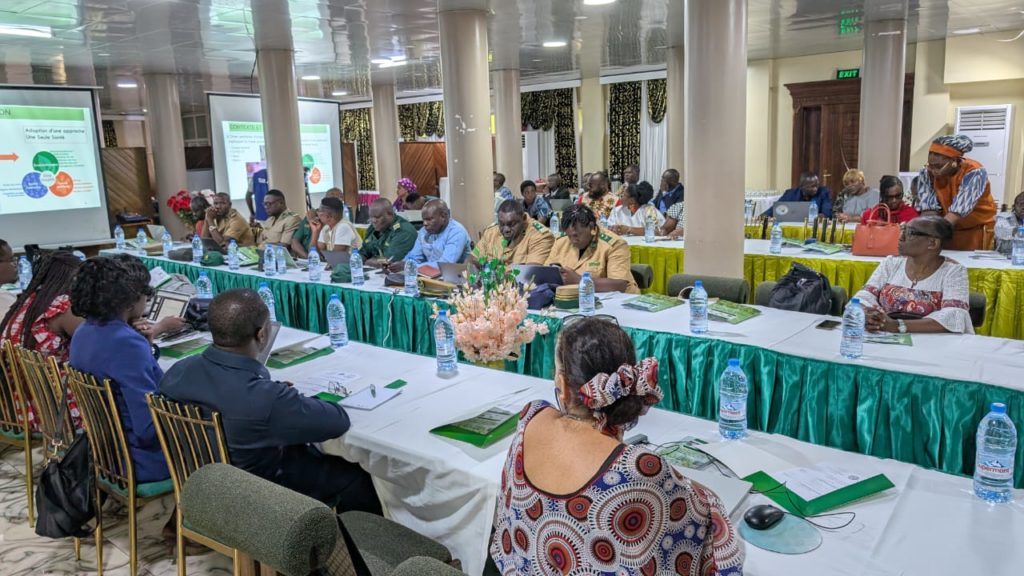
They are bringing together environmental experts, veterinarians, public health officials, researchers, and civil society groups. This is the One Health approach in action. The goal of the workshop is to break down institutional silos, find practical synergies, and build a realistic roadmap to catch zoonotic risks before they turn into national emergencies.

This initiative positions Cameroon as a regional leader in wildlife health surveillance. By aligning efforts across sectors and learning from recent outbreaks, the country is reinforcing its capacity to protect communities, safeguard ecosystems, and contribute to global health security.

About Author

Mac Juliette Johngwe