


As European veterinary organisations call for prevention to be placed at the heart of animal health policies, the message strongly resonates across Africa. For farmers, vaccinating animals on time is not only a technical act. It means protecting a herd, an income, a family and a future.

For a livestock keeper, an animal disease outbreak never comes alone. It brings fear, uncertainty and sometimes the sudden loss of a vital source of livelihood. A sick animal is not just an animal that needs treatment. It can mean less milk, a cancelled sale, school fees put at risk, a market closure, growing debt or a family losing part of its security.
This human reality is at the heart of a recent call made in Europe by AnimalhealthEurope, FECAVA and the Federation of Veterinarians of Europe to mark the tenth anniversary of World Animal Vaccination Day. Their message is simple but powerful: animal diseases should no longer be managed only in times of crisis. Greater investment is needed in vaccination, biosecurity, surveillance and the central role of veterinarians.
This European message speaks directly to Africa.
Across the continent, livestock keepers continue to face diseases that threaten animals, incomes and food systems. These include peste des petits ruminants, foot-and-mouth disease, rabies, avian influenza, lumpy skin disease and African swine fever. When these diseases are not prevented in time, they cause major economic losses, disrupt trade, reduce access to animal-source foods and weaken rural communities.
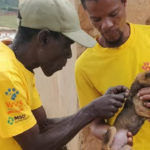
Animal vaccination is therefore much more than a veterinary intervention. It is a collective protection tool. It helps stop diseases before they spread. It gives farmers the confidence to produce, sell and invest. It helps veterinarians anticipate risks and respond earlier. It also protects markets, consumers and local economies.
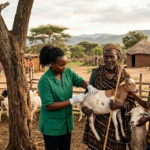
This message is particularly important for the eradication of peste des petits ruminants, or PPR. The disease affects sheep and goats, two species that are essential to millions of African families. In many rural areas, small ruminants are among the first assets owned by poorer households. They are often managed by women, young people, smallholders and pastoral communities. They provide food, quick income and a safety net during difficult times.
Yet PPR can be defeated. An effective vaccine exists. Diagnostic tools are available. The strategies are known. The global goal of eradicating PPR by 2030 remains within reach, provided that vaccination campaigns are well planned, adequately funded and properly implemented.
But a vaccine alone is not enough. Success requires strong veterinary services, trained field workers, a reliable cold chain, quality surveillance data, laboratories able to confirm cases, well-targeted campaigns and, above all, the trust of livestock keepers. Where communities understand the value of vaccination, results are stronger and more sustainable.
This is the spirit behind the Pan-African Programme for the Eradication of PPR, led by the African Union, AU-IBAR, AU-PANVAC and partners. The goal is not only to eliminate a virus. It is to protect rural livelihoods, strengthen veterinary services, secure small ruminant value chains and help African countries move together toward a shared objective.
The call from Europe reminds us of an essential lesson: waiting for outbreaks is costly. Prevention costs less, protects more and saves more animal lives. For Africa, every successful PPR vaccination campaign brings the continent closer to a historic victory. Every protected herd, every informed farmer, every equipped veterinarian and every committed country strengthens the path toward eradication.
Investing in animal vaccination means supporting families before they lose their animals. It means protecting markets before they close. It means strengthening veterinarians before they are forced to work in emergency mode. It means safeguarding food security before a crisis takes hold.
For Europe and Africa alike, the message is clear: animal health can no longer wait for the next crisis before action is taken. It must be built in advance, with accessible vaccines, well-supported veterinary services and livestock keepers fully involved.
Prevent, protect, vaccinate: this is one of the safest paths toward stronger, more human and more sustainable animal health. In the case of PPR, it is also essential to free African smallholder farmers from a disease that has burdened their animals and their lives for too long.