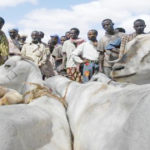



In West Africa, two recent developments show how different strengths can complement each other in the fight against zoonotic diseases. In Senegal, community actors in Foundiougne have been trained to use artificial intelligence to detect early signals of zoonoses. This innovation, part of the AI4-DECLIC project, empowers local communities to participate directly in surveillance, ensuring that weak signals of potential outbreaks are captured quickly and transmitted to health authorities. By reducing delays, Senegal is building a system that anticipates threats before they spread widely.
In Guinea, the Ministry of Livestock has sounded the alarm over avian influenza H5N1 after outbreaks were confirmed in Côte d’Ivoire and Senegal. The government has moved to strengthen border surveillance, ban clandestine poultry imports, and enforce biosafety measures among farmers and traders. These actions are designed to protect the national poultry sector and safeguard food security against an immediate and highly contagious threat.
Taken together, these approaches illustrate how innovation and vigilance reinforce one another. Senegal’s use of artificial intelligence enhances early warning, while Guinea’s decisive government action ensures containment and protection. One focuses on anticipation, the other on defense, and together they form a stronger regional shield against zoonotic diseases. This complementarity underscores the importance of combining community-driven innovation with government-led prevention to build resilience and security across West Africa.