



The recent Rift Valley Fever (RVF) outbreak in northern Senegal and Mauritania is more than just a public health emergency; it is a triple threat to the region’s health, livestock, and economy. With over 15 confirmed human deaths and numerous infections across Senegal, the urgency is clear. RVF is a mosquito-borne viral zoonosis that primarily affects livestock, causing devastating “abortion storms” and high mortality with the potential of spilling over to humans. This outbreak is strongly linked to heavy rainfall and subsequent flooding, which created favorable conditions for the disease-carrying mosquito populations to explode, driving transmission in both animals and people.
Following investigations, molecular analysis revealed that the virus is not a new import but a persistent local strain since 2020, belonging to Lineage H. It survives in mosquitoes and re-emerges with seasonal floods. Fortunately, the genomic study showed current livestock vaccines remain effective. This stability calls for long-term prevention strategies, not just emergency responses.
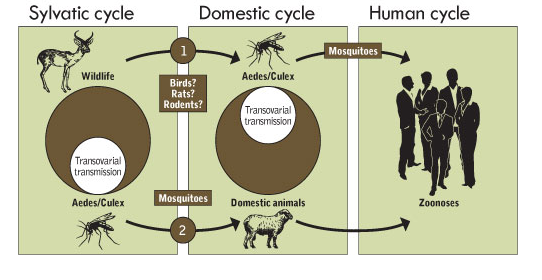
The economic consequences of RVF are as severe as the health outcomes. The disease disrupts essential livestock production and trade, directly impacting the livelihoods of pastoral communities. Furthermore, the accompanying travel advisories can deter tourists, demonstrating how a localized animal disease can ripple out to affect the broader national economy. To manage this complex and evolving crisis, the World Organization for Animal Health (WOAH) together with regional partners are calling for the urgent adoption of a “One Health” approach. This strategy emphasizes on coordinated efforts in livestock vaccination, vector control, and strong cross-border surveillance, as detailed in WOAH’s official statement.
Ultimately, protecting lives and livelihoods in West Africa requires transforming early warnings into immediate action. Coordinated regional cooperation is vital to manage this transboundary animal disease (TAD). This involves not only mass-vaccinating at-risk livestock before the next rainy season but also ensuring the rapid exchange of diagnostic data across borders and educating high-risk communities on prevention and safe animal handling. By leveraging both genomic insights and a unified “One Health” response, Senegal and Mauritania can build resilience against the recurrent threat of Rift Valley Fever.