


A propos

AfricaVet.com est une plateforme panafricaine dédiée à la médecine vétérinaire et à la santé animale en Afrique. Elle propose des actualités, des analyses et des ressources techniques dans une approche One Health, ainsi que des outils pratiques (veille et alertes, dossiers, infographies, agenda, applications,..) et des opportunités (emplois, formations, événements, …) au service de la communauté vétérinaire et des filières.

Contactez-nous

Contactez-nous

Vous souhaitez proposer un sujet, partager un communiqué, publier une opportunité (emploi/appel/formation) ou signaler une information en santé animale ? L’équipe AfricaVet est à votre écoute.

Contacts

Rédaction (articles, interviews, droit de réponse, opportunités, partenariats)
Email : redaction@africavet.com

Corrections / signalements
Merci d’indiquer le lien de l’article, l’élément à corriger et une source justificative.
Email : contact@africavet.com

Communiqués et alertes sanitaires

Envoyez vos informations avec : pays, date, source et lien/document officiel.

Réseaux sociaux

Facebook : https://www.facebook.com/africavetwebportail
X : https://x.com/africavet
LinkedIn : https://be.linkedin.com/in/africavet-v%C3%A9t%C3%A9rinaire-4b43a920

Confidentialité

Les informations transmises via le formulaire ou par email sont utilisées uniquement pour traiter votre demande et ne sont pas partagées, sauf nécessité éditoriale ou obligation légale.

Important

AfricaVet est une plateforme d’information. En cas d’urgence sanitaire ou de situation clinique, contactez un vétérinaire et/ou les services vétérinaires compétents.


Formulaire de contact (WordPress)

Champs recommandés : Nom, Organisation/Fonction, Pays, Email, Objet, Type de demande (liste), Message, Liens/Références, Pièce jointe (optionnel).

Case à cocher :
« J’accepte que mes informations soient utilisées uniquement pour répondre à ma demande. »

Étiquette : AU-IBAR

Consultancy- Regional Coordinator-PPR Eradication (ECOWAS)

Closing Date : 19 Feb 2026 Introduction and context The African Union Inter-African Bureau for Animal Resources (AU-IBAR), a specialized technical office of the Department of Agriculture, Rural Development, Blue Economy, and Sustainable Environment (DARBE) of the African Union Commission, is mandated to support and coordinate the utilization of livestock, fisheries, aquaculture and wildlife as […]
Consultancy- Monitoring and Evaluation Expert

Closing Date : 19 Feb 2026 Introduction and context The African Union Inter-African Bureau for Animal Resources (AU-IBAR), a specialized technical office of the Department of Agriculture, Rural Development, Blue Economy, and Sustainable Environment (DARBE) of the African Union Commission, is mandated to support and coordinate the utilization of livestock, fisheries, aquaculture and wildlife as […]

Consultancy- Finance & Operations Consultant

Closing Date 19 Feb 2026 Introduction and context The African Union Inter-African Bureau for Animal Resources (AU-IBAR), a specialized technical office of the Department of Agriculture, Rural Development, Blue Economy, and Sustainable Environment (DARBE) of the African Union Commission, is mandated to support and coordinate the utilization of livestock, fisheries, aquaculture and wildlife as resources […]

Consultancy for Communications Expert

Closing Date 19 Feb 2026 Introduction and Context  The African Union Inter-African Bureau for Animal Resources (AU-IBAR), a specialized technical office of the Department of Agriculture, Rural Development, Blue Economy, and Sustainable Environment (DARBE) of the African Union Commission, is mandated to support and coordinate the utilization of livestock, fisheries, aquaculture and wildlife as resources […]

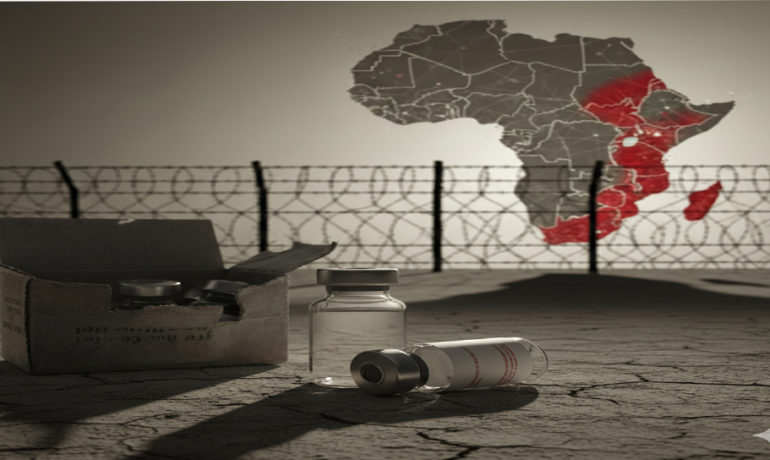
A high-contrast image showing a generic vaccine vial next to a silhouette of a border fence and a map of Africa, symbolizing the threat of smuggled veterinary products.

The Dangerous Rise of Illicit FMD Vaccines in South Africa

The recent reports of illegal Foot-and-Mouth Disease (FMD) vaccines being smuggled into South Africa expose a shocking breach in our biological defenses that threatens the very foundation of the agricultural sector. This is not merely a localized scandal; it is a stack reminder of the vulnerabilities previously identified in reflections on veterinary regulation in Limpopo. […]