


China’s first detection of the SAT1 serotype of foot-and-mouth disease is a strong reminder that animal health surveillance must be able to detect new risks early, adapt vaccination strategies and protect farmers before outbreaks spread.
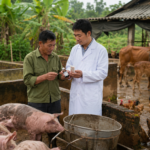
For livestock farmers, foot-and-mouth disease is never just a veterinary alert. When an outbreak occurs, the impact can be immediate: sick animals, movement restrictions, disrupted markets, cancelled sales and loss of income.
In China, outbreaks of foot-and-mouth disease serotype SAT1 were reported in Xinjiang and Gansu, two regions in the north-west of the country. Authorities reported 219 cases in cattle, from two herds totalling 6,229 animals, with local culling and disinfection measures implemented.
This detection is significant because it represents the first notification of SAT1 in China. The first outbreak was detected in a livestock market in Ili Kazakh Autonomous Prefecture, Xinjiang, while another outbreak was reported in Gansu, about 2,000 km away. This highlights the need to better understand animal movements and possible transmission pathways.
SAT1 is a particular challenge because vaccines commonly used against other FMD serotypes, especially O and A, do not necessarily provide protection against this serotype. In foot-and-mouth disease control, it is not enough to know that the virus is present. The exact serotype must be identified to guide the right vaccination strategy.
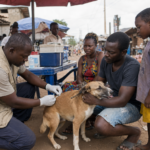
For AfricaVET, this situation also speaks directly to Africa. Foot-and-mouth disease remains a major transboundary animal disease affecting herds, markets, trade and rural livelihoods. The spread of SAT1 beyond its historical areas of circulation shows why countries need stronger surveillance, better laboratory capacity, reliable data and regional cooperation.
The Chinese alert also reminds us that livestock markets, animal movements, trade corridors and field surveillance are critical points in disease prevention. A delayed detection can expose several areas before an outbreak is confirmed.
The lesson is clear: protecting farmers requires responsive laboratories, accurate data, adapted vaccines, good traceability and cooperation between countries. With foot-and-mouth disease, prevention is always less costly than crisis response.
Detect early, identify the right serotype and vaccinate with the right tools: this is essential to protect herds, farmers and markets.