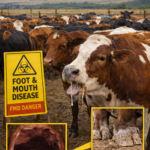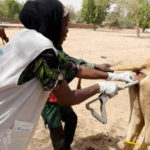



The recent reports of illegal Foot-and-Mouth Disease (FMD) vaccines being smuggled into South Africa expose a shocking breach in our biological defenses that threatens the very foundation of the agricultural sector. This is not merely a localized scandal; it is a stack reminder of the vulnerabilities previously identified in reflections on veterinary regulation in Limpopo. When unregulated, potentially dangerous vaccines cross borders, they do more than just fail to protect animals, they jeopardize the entire continent’s biosecurity. This illicit trade undermines decades of eradication programs, devalues the livestock economy, and places the food security of millions at risk, transforming a manageable disease into a crisis.
The proliferation of substandard and falsified veterinary products (SFVPs) is a symptom of a much deeper malaise in enforcement and governance. These “gray market” products are often ineffective or, worse, contain live pathogens that can trigger new outbreaks, yet they continue to find their way into the hands of desperate farmers. We must stop viewing this as a minor regulatory infraction and start treating it as a form of economic bioterrorism. By destabilizing national herds and sabotaging international trade status, those who smuggle and sell these products are committing a direct assault on the continent’s economic sovereignty.
Halting this descent requires more than just speeches; it demands a unified, aggressive front from every agency tasked with our protection. The Department of Agriculture, Land Reform and Rural Development (DALRRD) and State Veterinary Services must lead with rigorous oversight, but they cannot stand alone. We need the South African Police Service (SAPS), Customs, and Interpol to dismantle the criminal networks profiting from these vaccines. Simultaneously, international bodies like the AU-IBAR, FAO, and WOAH must provide the framework for cross-border intelligence sharing and harmonized standards. Coordinated intervention is the only way to seal the cracks that smugglers exploit.
Africa’s livestock sector is the backbone of rural livelihoods and the engine of our agricultural future. We simply cannot afford the luxury of porous borders and toothless regulations. If we fail to secure our borders against these biological threats today, we forfeit the prosperity and food security of our continent tomorrow. It is time for decisive action to protect our heritage and our health.