
A propos

AfricaVet.com est une plateforme panafricaine dédiée à la médecine vétérinaire et à la santé animale en Afrique. Elle propose des actualités, des analyses et des ressources techniques dans une approche One Health, ainsi que des outils pratiques (veille et alertes, dossiers, infographies, agenda, applications,..) et des opportunités (emplois, formations, événements, …) au service de la communauté vétérinaire et des filières.

Contactez-nous

Contactez-nous

Vous souhaitez proposer un sujet, partager un communiqué, publier une opportunité (emploi/appel/formation) ou signaler une information en santé animale ? L’équipe AfricaVet est à votre écoute.

Contacts

Rédaction (articles, interviews, droit de réponse, opportunités, partenariats)
Email : redaction@africavet.com

Corrections / signalements
Merci d’indiquer le lien de l’article, l’élément à corriger et une source justificative.
Email : contact@africavet.com

Communiqués et alertes sanitaires

Envoyez vos informations avec : pays, date, source et lien/document officiel.

Réseaux sociaux

Facebook : https://www.facebook.com/africavetwebportail
X : https://x.com/africavet
LinkedIn : https://be.linkedin.com/in/africavet-v%C3%A9t%C3%A9rinaire-4b43a920

Confidentialité

Les informations transmises via le formulaire ou par email sont utilisées uniquement pour traiter votre demande et ne sont pas partagées, sauf nécessité éditoriale ou obligation légale.

Important

AfricaVet est une plateforme d’information. En cas d’urgence sanitaire ou de situation clinique, contactez un vétérinaire et/ou les services vétérinaires compétents.


Formulaire de contact (WordPress)

Champs recommandés : Nom, Organisation/Fonction, Pays, Email, Objet, Type de demande (liste), Message, Liens/Références, Pièce jointe (optionnel).

Case à cocher :
« J’accepte que mes informations soient utilisées uniquement pour répondre à ma demande. »

Étiquette : TADs

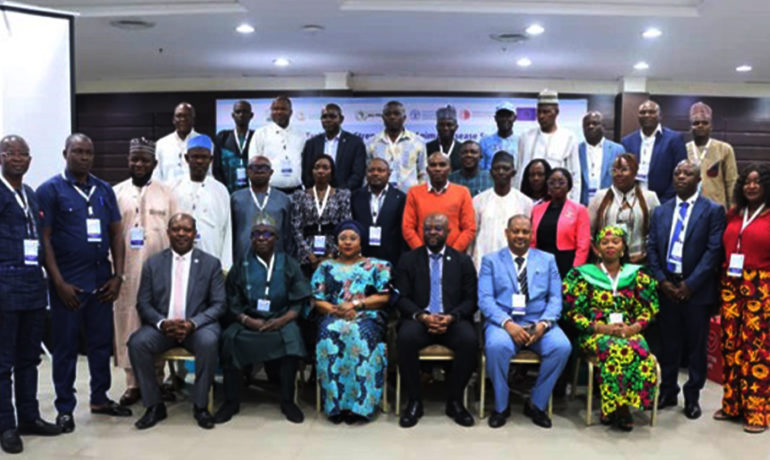
Group photo of approximately 30 West African delegates in professional attire, seated and standing, at a regional workshop focused on animal disease control

Nigeria Calls for Stronger West African Action on Transboundary Animal Diseases

Transboundary animal diseases (TADs) continue to threaten livestock productivity, food security, and rural livelihoods across West Africa. Recognizing the urgency, Nigeria has renewed its call for stronger regional cooperation to combat TADs, with a focus on Peste des Petits Ruminants (PPR), which continues to threaten livestock productivity and rural livelihoods across West Africa. The appeal […]

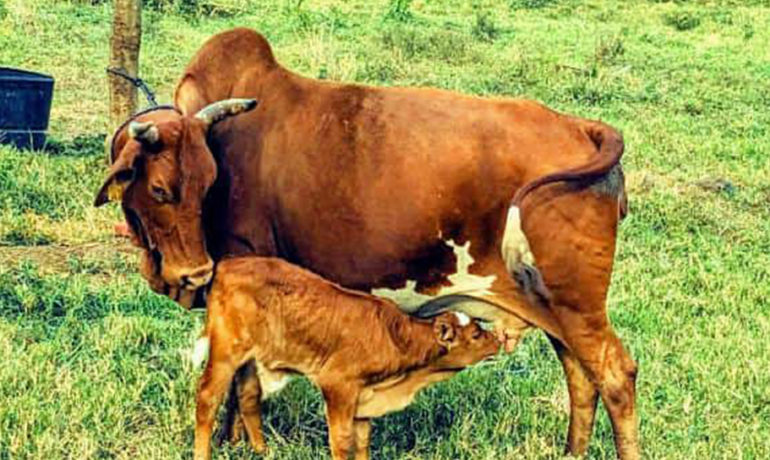
Cattle grazing in a green field

FMD Outbreak in Mozambique: A Regional Wake-Up Call for Animal Health Policy

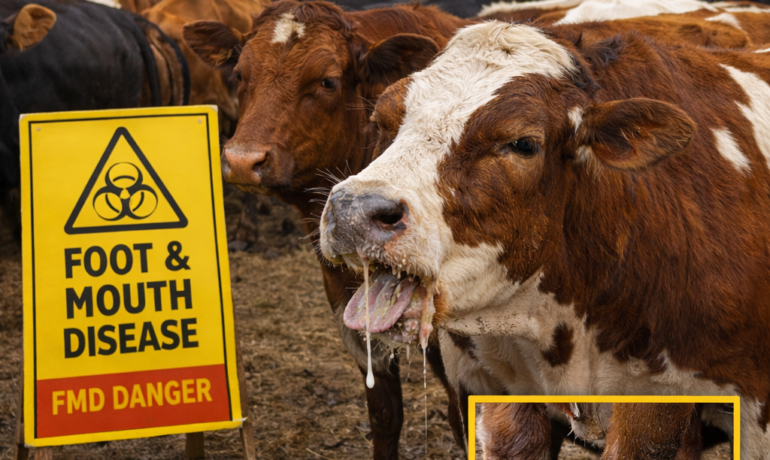
Mozambican authorities confirmed an outbreak of Foot-and-Mouth Disease (FMD) on October 28 in the Moamba district of Maputo Province. This immediately prompted movement restrictions on cattle, goats, sheep, and pigs highlighting the virus’s devastating potential. This is far more than a local veterinary issue; FMD is a highly contagious Transboundary Animal Disease (TAD) that acts […]

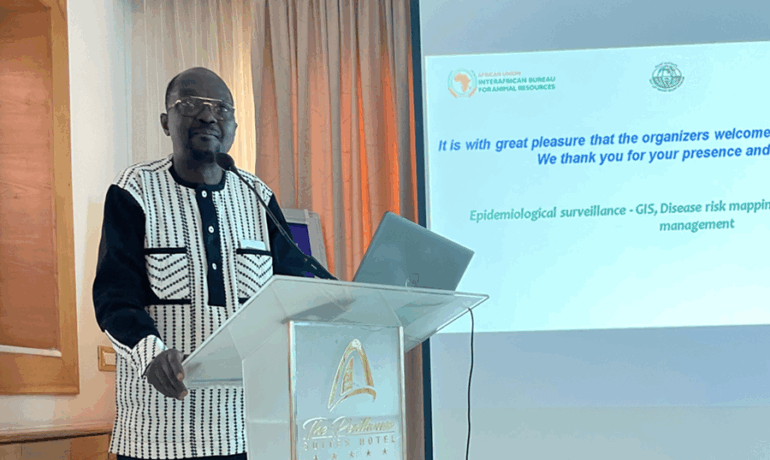
AU-IBAR : Enhancing Regional Animal Disease Surveillance under the TADS Program

The Regional Program for the Control of Transboundary Animal Diseases in Africa (TADS Program) represents a coordinated, multi-partner initiative to safeguard animal health, protect livelihoods, and support safe trade in live animals and animal products across African and Arab regions. Jointly implemented by AU-IBAR, the Arab Organization for Agricultural Development (AOAD), and the Arab Bank […]

AU-IBAR Consultancy : Support Capacity Development of Veterinary Services for Harmonization and Cooperative and Coordinated Prevention and Control of Transboundary Animal Diseases (TADs) in AU Member States

Re-Advertisement : Closing Date : Monday, 21 August, 2023 Background The African Union Inter-African Bureau for Animal Resources (AU-IBAR) is a specialized technical office of the Department of Rural Economy and Agriculture (DREA) of the African Union Commission (AUC). AU-IBAR is mandated to support and coordinate the sustainable development and utilization of animal resources (livestock, […]