
A propos

AfricaVet.com est une plateforme panafricaine dédiée à la médecine vétérinaire et à la santé animale en Afrique. Elle propose des actualités, des analyses et des ressources techniques dans une approche One Health, ainsi que des outils pratiques (veille et alertes, dossiers, infographies, agenda, applications,..) et des opportunités (emplois, formations, événements, …) au service de la communauté vétérinaire et des filières.

Contactez-nous

Contactez-nous

Vous souhaitez proposer un sujet, partager un communiqué, publier une opportunité (emploi/appel/formation) ou signaler une information en santé animale ? L’équipe AfricaVet est à votre écoute.

Contacts

Rédaction (articles, interviews, droit de réponse, opportunités, partenariats)
Email : redaction@africavet.com

Corrections / signalements
Merci d’indiquer le lien de l’article, l’élément à corriger et une source justificative.
Email : contact@africavet.com

Communiqués et alertes sanitaires

Envoyez vos informations avec : pays, date, source et lien/document officiel.

Réseaux sociaux

Facebook : https://www.facebook.com/africavetwebportail
X : https://x.com/africavet
LinkedIn : https://be.linkedin.com/in/africavet-v%C3%A9t%C3%A9rinaire-4b43a920

Confidentialité

Les informations transmises via le formulaire ou par email sont utilisées uniquement pour traiter votre demande et ne sont pas partagées, sauf nécessité éditoriale ou obligation légale.

Important

AfricaVet est une plateforme d’information. En cas d’urgence sanitaire ou de situation clinique, contactez un vétérinaire et/ou les services vétérinaires compétents.


Formulaire de contact (WordPress)

Champs recommandés : Nom, Organisation/Fonction, Pays, Email, Objet, Type de demande (liste), Message, Liens/Références, Pièce jointe (optionnel).

Case à cocher :
« J’accepte que mes informations soient utilisées uniquement pour répondre à ma demande. »

Étiquette : ILRI

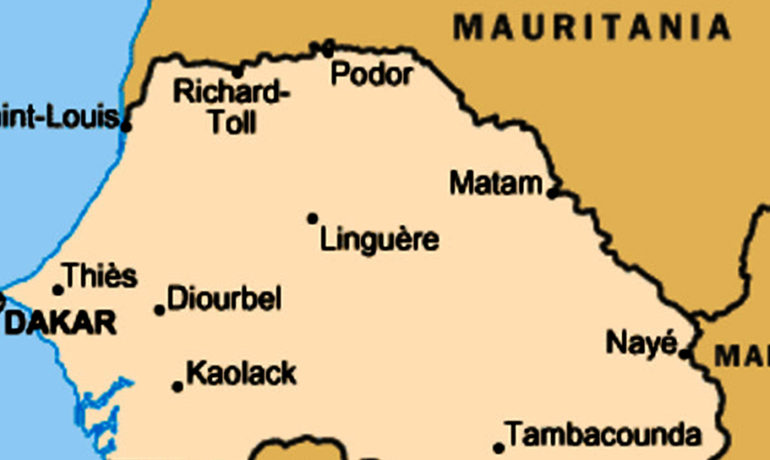
Map of Senegal and Mauritania highlighting the border area along the Senegal River where the Rift Valley Fever outbreak is centered

Rift Valley Fever in Senegal and Mauritania: A Triple Threat to Health, Livestock, and Economy

The recent Rift Valley Fever (RVF) outbreak in northern Senegal and Mauritania is more than just a public health emergency; it is a triple threat to the region’s health, livestock, and economy. With over 15 confirmed human deaths and numerous infections across Senegal, the urgency is clear. RVF is a mosquito-borne viral zoonosis that primarily […]

Post-Doctoral Fellow – Epidemiologist

Jobs ILRI: ILRI MSc Graduate Fellowship-Efficacy of a selected commercial ear tag against Rhipicephalus appendiculatus on cattle

The International Livestock Research Institute (ILRI) seeks to recruit an MSc graduate fellow to work in the Efficacy of a selected commercial ear tag against Rhipicephalus appendiculatus on cattle project. The successful fellow will be hosted by the Health program at ILRI.                                                                                                    The International Livestock Research Institute (ILRI) works to improve people’s lives in low- and middle-income […]

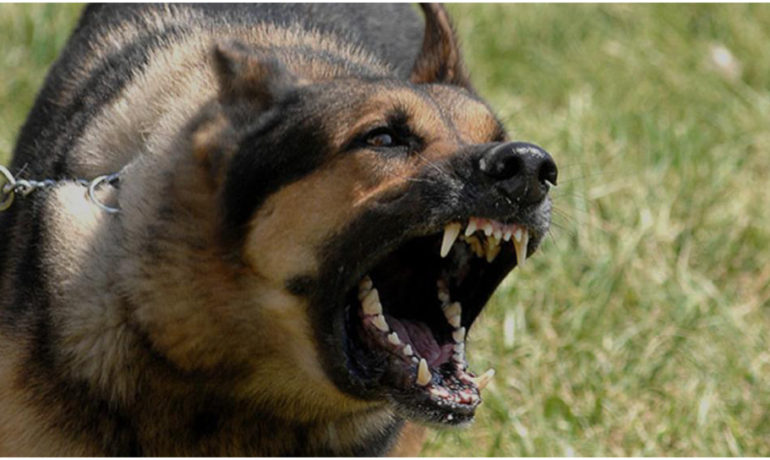
A close-up of a German Shepherd with its teeth bared and mouth open in an aggressive stance, as a visual representation of the potential danger of a rabid animal

United Against Rabies: Global and African voices in Harmony

Today, on World Rabies Day 2025, the world unites under the theme, “Act Now: You, Me, Community”. While rabies remains a silent killer, especially in underserved communities across Africa, a powerful chorus of voices is finally breaking that silence. This year, we’re seeing dedicated collaboration from women veterinarians, grassroots advocates, and global health leaders who […]

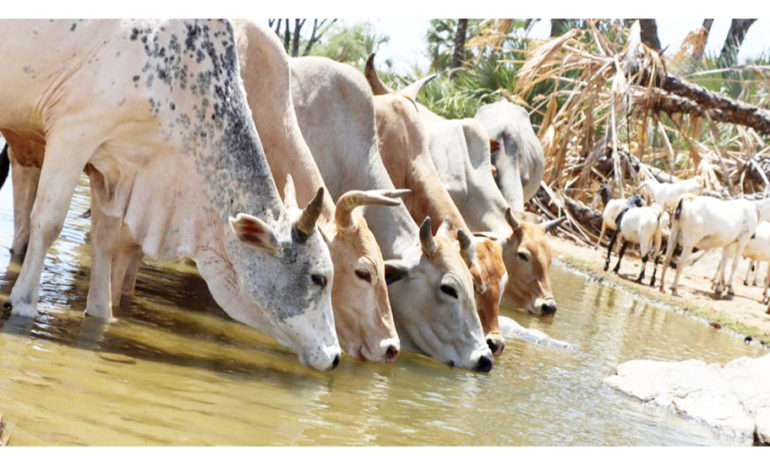
Un gros plan sur une vache africaine

Une initiative mondiale pour un bétail résilient et à faible émission de méthane en Afrique

En réponse aux défis du changement climatique et de la sécurité alimentaire, une nouvelle initiative de 3,35 millions de dollars, soutenue par le Bezos Earth Fund et le Global Methane Hub, a été lancée par l’Institut international de recherche sur l’élevage (ILRI). Son objectif est de révolutionner l’élevage en Afrique en développant des races de […]