
A propos

AfricaVet.com est une plateforme panafricaine dédiée à la médecine vétérinaire et à la santé animale en Afrique. Elle propose des actualités, des analyses et des ressources techniques dans une approche One Health, ainsi que des outils pratiques (veille et alertes, dossiers, infographies, agenda, applications,..) et des opportunités (emplois, formations, événements, …) au service de la communauté vétérinaire et des filières.

Contactez-nous

Contactez-nous

Vous souhaitez proposer un sujet, partager un communiqué, publier une opportunité (emploi/appel/formation) ou signaler une information en santé animale ? L’équipe AfricaVet est à votre écoute.

Contacts

Rédaction (articles, interviews, droit de réponse, opportunités, partenariats)
Email : redaction@africavet.com

Corrections / signalements
Merci d’indiquer le lien de l’article, l’élément à corriger et une source justificative.
Email : contact@africavet.com

Communiqués et alertes sanitaires

Envoyez vos informations avec : pays, date, source et lien/document officiel.

Réseaux sociaux

Facebook : https://www.facebook.com/africavetwebportail
X : https://x.com/africavet
LinkedIn : https://be.linkedin.com/in/africavet-v%C3%A9t%C3%A9rinaire-4b43a920

Confidentialité

Les informations transmises via le formulaire ou par email sont utilisées uniquement pour traiter votre demande et ne sont pas partagées, sauf nécessité éditoriale ou obligation légale.

Important

AfricaVet est une plateforme d’information. En cas d’urgence sanitaire ou de situation clinique, contactez un vétérinaire et/ou les services vétérinaires compétents.


Formulaire de contact (WordPress)

Champs recommandés : Nom, Organisation/Fonction, Pays, Email, Objet, Type de demande (liste), Message, Liens/Références, Pièce jointe (optionnel).

Case à cocher :
« J’accepte que mes informations soient utilisées uniquement pour répondre à ma demande. »

Étiquette : animal health

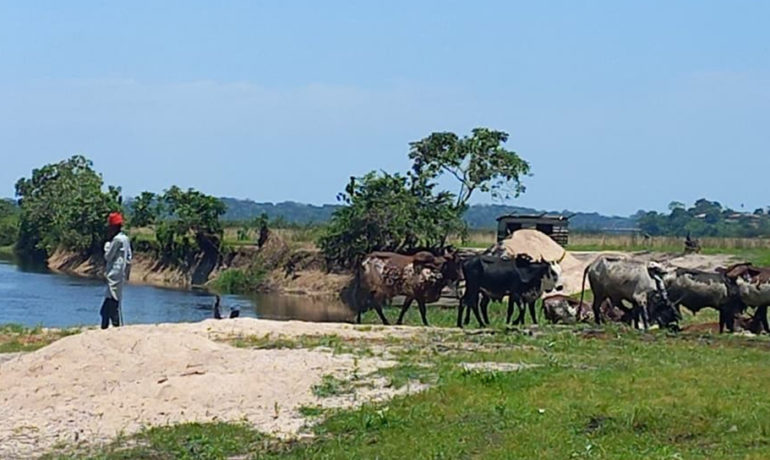
Akonolinga landscape along Nyong river with awareness on screw worms

The risk of Screwworm Spread in Africa: Lessons from the US and Implications for Africa

When screwworm flies infest livestock, they cripple entire economies. The recent U.S emergency authorizations against screwworms show how quickly countries must act when biosecurity is at risk. West Africa (Senegal, Guinea, Gambia) records past screwworm outbreaks but these regions remain vulnerable due to porous borders, growing regional trade, high livestock density and limited veterinary access […]
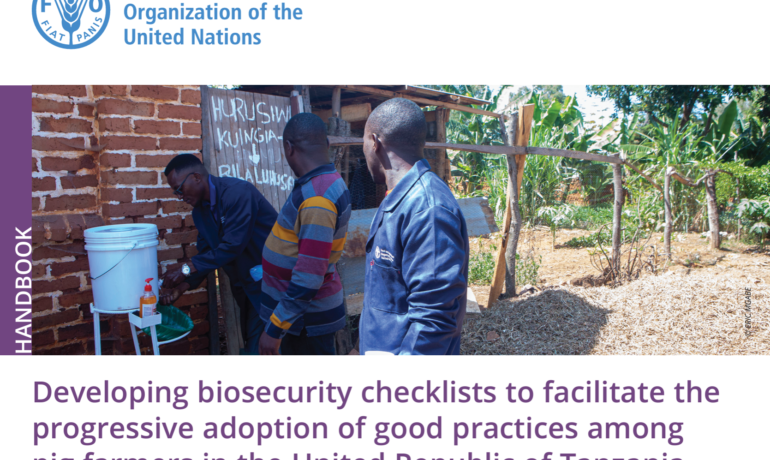
Developing biosecurity checklists to facilitate the progressive adoption of good practices among pig farmers in the United Republic of Tanzania

Synopsis (résumé court)This document outlines a checklist on biosecurity for small and medium-scale pig farms in Sumbawanga, Tanzania. It has been developed, tested and validated in a participatory manner with farmers, extension officers and subject matter experts. While part 1 of this document includes the checklist itself, part 2 describes how the checklist has been […]

Updated joint FAO/WHO/WOAH assessment of recent influenza A(H5N1) virus events in animals and people

During 2020, high pathogenicity avian influenza (HPAI) A(H5N1) clade 2.3.4.4b viruses arose from previously circulating influenza A(H5Nx) viruses and spread predominantly via migratory birds to many parts of Africa, Asia and Europe. This epizootic event has led to unprecedented numbers of deaths in wild birds and caused outbreaks in poultry. In late 2021, these viruses […]

FAO Animal Production and Health – Annual report 2022

This Annual Report outlines FAO’s key achievements and case studies on animal production and health. Throughout 2022, FAO focused on promoting sustainable and resilient livestock production systems while addressing a growing demand for animal-derived food products. During the year, the Organization implemented strategies to tackle animal diseases, reduce antimicrobial resistance, and improve veterinary services worldwide. […]

  • 1
  • 2