


The Food Systems Resilience Program (PRSA/FSRP) in Senegal has begun the construction of 100 vaccination parks nationwide. The stated objective is to better organize vaccination campaigns, reduce health risks, improve livestock handling conditions, and secure the livestock–meat value chain, a key pillar of the pastoral economy.
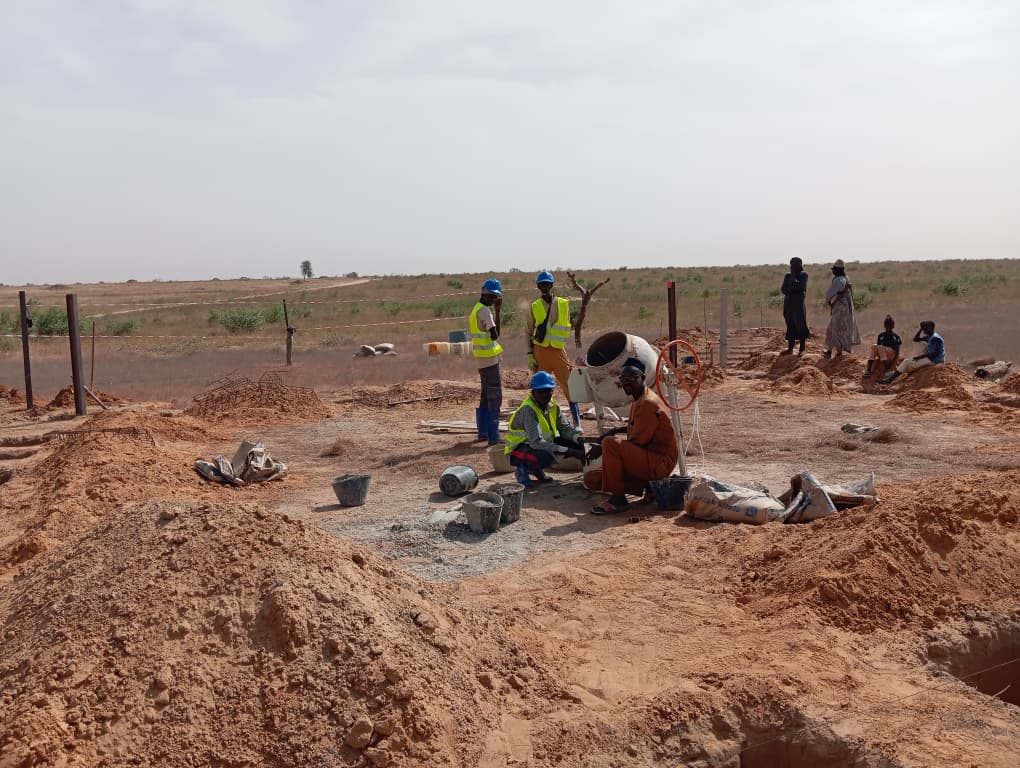
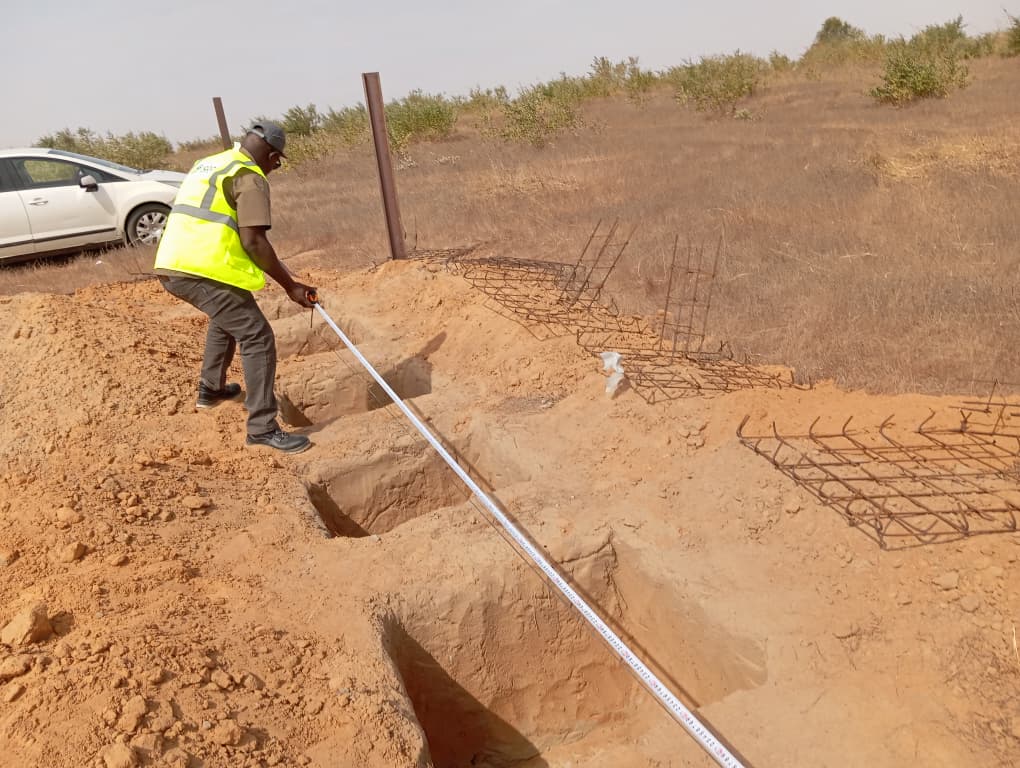
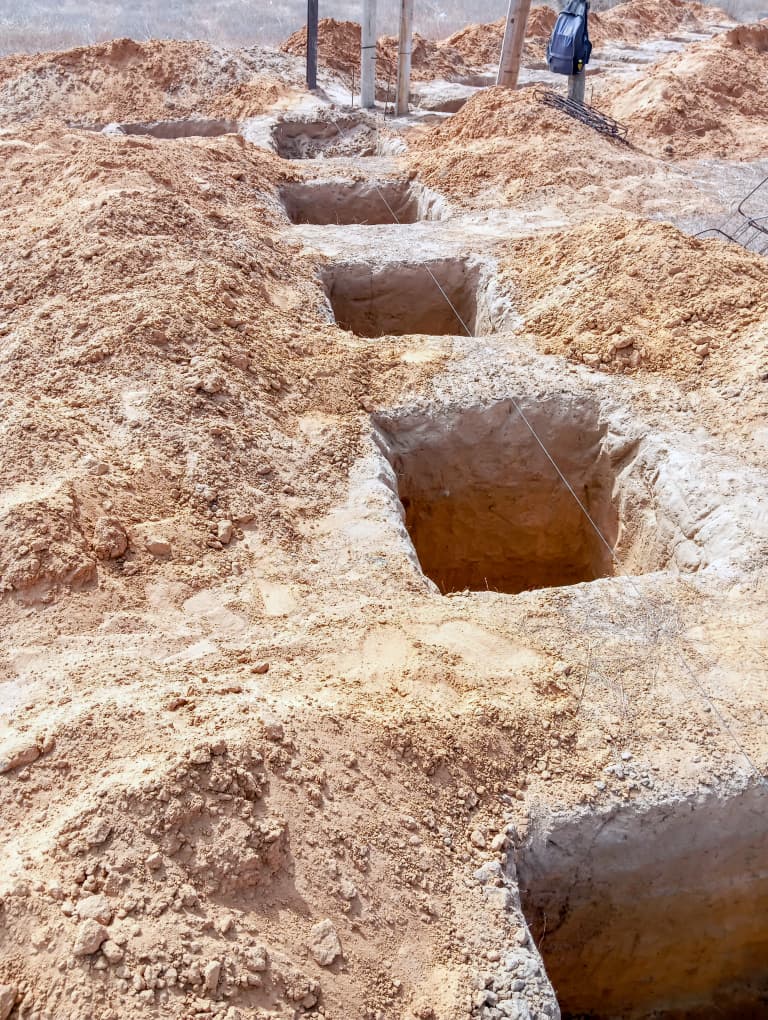
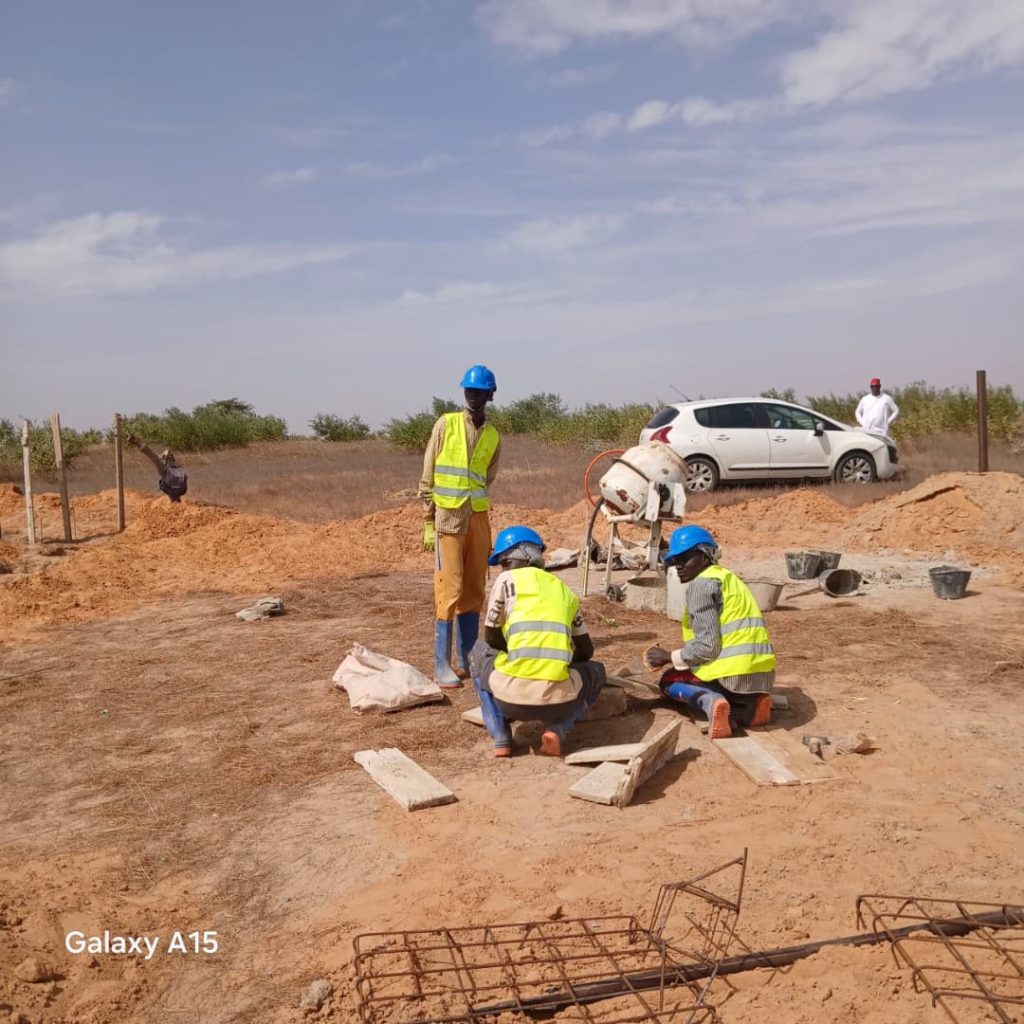
On the ground, the first site installation activities and technical supervision are already reported in the Diourbel region, in Touba Ndiouroul (Taïf commune), where technical teams are ensuring compliance with siting and construction guidelines. The vaccination park planned in this locality is expected to serve around ten villages, with a clear ambition: to strengthen prevention and response to animal diseases in the area.
Vaccination parks to secure campaigns and protect field teams
In many Sahelian and agropastoral settings, the effectiveness of vaccination campaigns depends as much on vaccines and teams as on the ability to safely restrain and handle animals. Vaccination parks (handling and sorting facilities) generally help to:
- increase team productivity (smoother flow, reduced handling time);
- reduce accidents (for officers and livestock keepers) and animal stress;
- limit the risk of disease spread during gatherings (better flow management, cleaning/disinfection, separation of batches);
- improve traceability and record quality (counting, batches, vaccination coverage).
An “infrastructure” effort embedded in a broader program
Beyond the announcement of the 100 parks, Senegal’s FSRP is part of a broader strategy to modernize and strengthen the resilience of the food system, with a strong livestock component. According to a program presentation, FSRP is a regional program financed at approximately USD 230 million (World Bank and IFAD) and aims to reach about 600,000 beneficiaries, including 240,000 women.
In the livestock sub-sector, announced investments include, among others:
- financing for 1,144 livestock sub-projects;
- construction of 20 veterinary posts;
- construction of 2 border inspection posts (BIPs/PIF);
- construction of 100 vaccination parks;
- and 5 fattening platforms (cattle and pigs).
The program also plans structural support (rehabilitation/equipment) for the Centre for the Application of Livestock Techniques (CATE), the Livestock Modernization Promotion Centres (CIMEL), as well as the National Veterinary Research Laboratory (LNERV), the vaccine production unit, and EISMV.
Diourbel: an example of local anchoring
The “animal health infrastructure” approach is also being rolled out at regional level. In the Diourbel region, the program mentions, for example, the construction of four vaccination parks and other infrastructures, according to information reported during a local meeting, with territorial targeting and follow-up of activities planned at local level.
What to monitor to assess impact
For this “vaccination parks” investment to translate into lasting animal health gains, three factors will be particularly decisive:
- Technical quality and maintenance: durability of materials, water points, access, security, a maintenance plan, and clear management arrangements (local authorities/livestock-keeper organizations/technical services).
- Alignment with vaccination plans: calendar, disease priorities, vaccine availability, supervision, coverage monitoring, and management of gathering points.
- Community ownership: livestock keepers’ participation (mobilization, rules of use, contribution to maintenance) and linkage with local veterinary services.
Overall, the construction of 100 vaccination parks sends a strong signal: putting infrastructure at the service of prevention, stronger campaign performance, and the resilience of Senegal’s livestock sector—provided that local governance, maintenance, and integration with surveillance and vaccination systems keep pace.

Source : FSRP Sénégal