


The first panzootic of Rinderpest in West Africa that occurred between 1885-1890, caused deaths of over 90% of the cattle population. The second wave of the panzootic occurred between 1913 and 1914 and culminated in a drastic reduction of cattle population from 9.01million to 2.7 million. The devastating effects of these Rinderpest outbreaks were responsible for the establishment of Veterinary services by the colonial powers in the protectorate colonies in Africa namely South and West Africa.
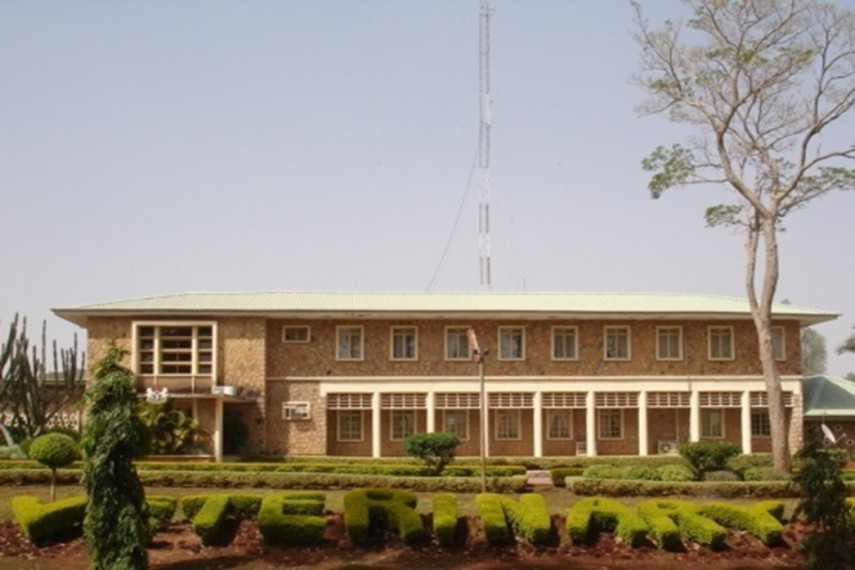
A Veterinary Department was established in Zaria in the West African protectorate in 1913, to conduct livestock census, disease surveys, and disease control by isolation and quarantine, with the help of Village Heads and the Native Authority Administration. In 1924, the Department was moved to Vom, a location on the “Bauchi Plateau” as a Veterinary Laboratory. In the same year, the first biological (anti-rinderpest serum) was produced to control the rinderpest outbreaks. Vom thus became the Pioneer Institute in the West African Sub-Region in the production of Anti Rinderpest Serum and Animal Vaccines.
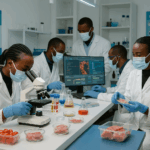
The Institute is endowed with highly trained manpower with experienced research Scientist in varied fields of Veterinary Sciences and other fields of Applied Sciences and a number of Medical Laboratory and Animal Husbandry Scientists. Research for the development of new vaccines or other methods of disease control to combat emerging diseases of livestock and poultry and improving the vaccines in production is the Institute’s primary area of focus.
MANDATE
By virtue of the Agricultural Research Institute Decree 35 of 1975, the name Federal Department of Veterinary Research was changed to National Veterinary Research Institute (NVRI) and has its Mandate as follows:
1.To conduct Research into all aspects of animal diseases, their Treatment and Control.
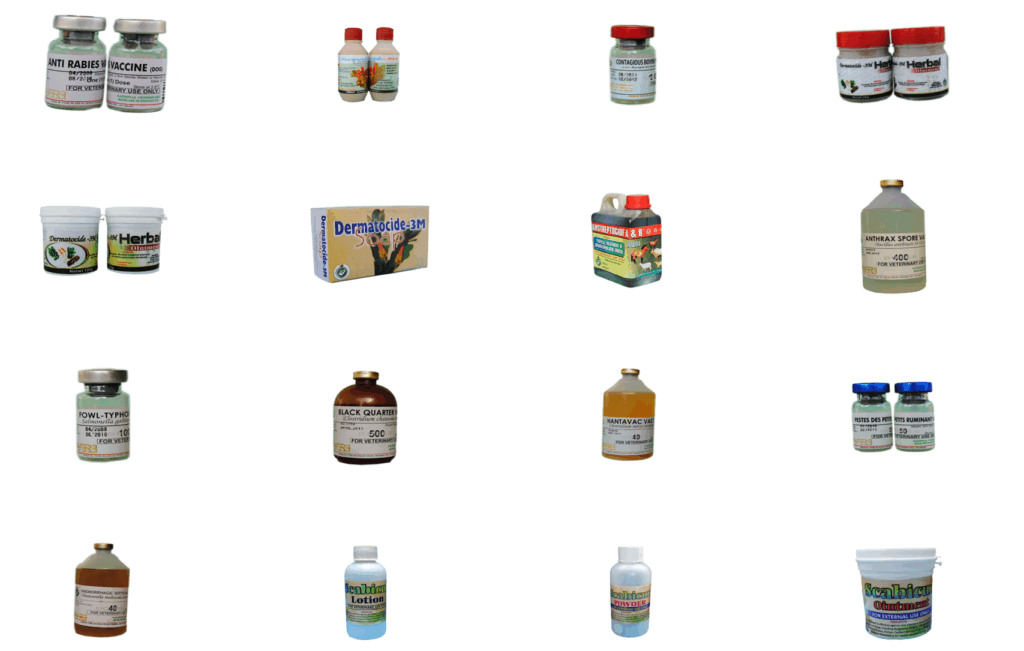
2.To Develop and Produce animal Vaccines, Sera and Biological to meet the National demand
3.To provide Surveillance and Diagnosis of animal diseases
4.To introduce Exotic Stock for improved egg, meat and milk production
5.To provide Extension Services to poultry and livestock farmers
6.To Train intermediate Manpower in Veterinary Laboratory Technology and Animal Health and Production Technology.
Website : https://nvri.gov.ng/