
A propos

AfricaVet.com est une plateforme panafricaine dédiée à la médecine vétérinaire et à la santé animale en Afrique. Elle propose des actualités, des analyses et des ressources techniques dans une approche One Health, ainsi que des outils pratiques (veille et alertes, dossiers, infographies, agenda, applications,..) et des opportunités (emplois, formations, événements, …) au service de la communauté vétérinaire et des filières.

Contactez-nous

Contactez-nous

Vous souhaitez proposer un sujet, partager un communiqué, publier une opportunité (emploi/appel/formation) ou signaler une information en santé animale ? L’équipe AfricaVet est à votre écoute.

Contacts

Rédaction (articles, interviews, droit de réponse, opportunités, partenariats)
Email : redaction@africavet.com

Corrections / signalements
Merci d’indiquer le lien de l’article, l’élément à corriger et une source justificative.
Email : contact@africavet.com

Communiqués et alertes sanitaires

Envoyez vos informations avec : pays, date, source et lien/document officiel.

Réseaux sociaux

Facebook : https://www.facebook.com/africavetwebportail
X : https://x.com/africavet
LinkedIn : https://be.linkedin.com/in/africavet-v%C3%A9t%C3%A9rinaire-4b43a920

Confidentialité

Les informations transmises via le formulaire ou par email sont utilisées uniquement pour traiter votre demande et ne sont pas partagées, sauf nécessité éditoriale ou obligation légale.

Important

AfricaVet est une plateforme d’information. En cas d’urgence sanitaire ou de situation clinique, contactez un vétérinaire et/ou les services vétérinaires compétents.


Formulaire de contact (WordPress)

Champs recommandés : Nom, Organisation/Fonction, Pays, Email, Objet, Type de demande (liste), Message, Liens/Références, Pièce jointe (optionnel).

Case à cocher :
« J’accepte que mes informations soient utilisées uniquement pour répondre à ma demande. »

Letter: West Africa should protect its fisheries from foreign fleets

From Kathryn Matthews, Chief Scientist, Oceana, Washington, DC, US
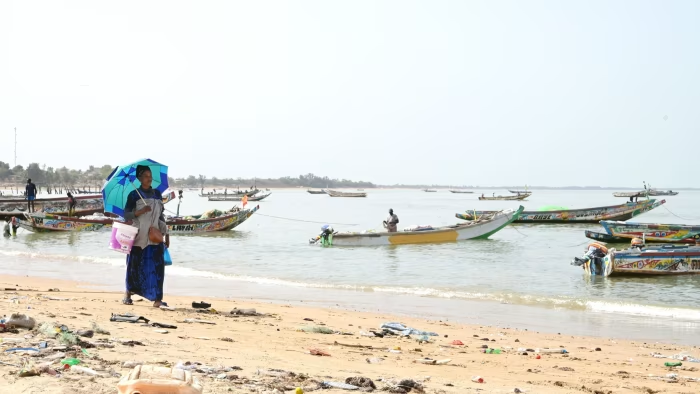
The seafood on your plate does have a hidden cost, as your February 1 article explores (The Big Read). The fisheries, namely sardinella and other small schooling fish that millions of west Africans have relied on for decades — even centuries — are being mismanaged, overfished and taken abroad by large, foreign industrial fleets. Seafood’s most important role in food security is providing a significant portion of the global population with protein, micronutrients and fatty acids — key components of a healthful and nutritious diet. Over 740mn people depend on ocean fisheries for food and livelihoods — and are at risk of malnourishment or poverty, or both, should they lose access to those catches. To address this problem, we must support and elevate the voices of small-scale fishers and coastal communities in these countries — championing solutions that work for them and integrating their calls into effective national-level policies. These changes will help rebuild critical fish stocks, protect artisanal fishers and processors, and work towards long-term sustainability of the sector, ensuring livelihoods and nutrition security. But as the report from the campaign group Feedback drives home, it is not only coastal nations that need to make reforms. Countries with fleets fishing abroad, fishmeal processing facilities and industrial aquaculture should not be bettering their own economies at the expense of others. The world should not take fish from west African communities to feed farmed salmon in Norway or pigs in China. The focus should be on west African communities and ensuring the fish taken from their ocean is supporting those who need it most.

Kathryn Matthews Chief Scientist, Oceana Washington, DC, US

Source : FT, 2023, Image : © Seyllou/AFP/Getty Images

About Author

Malick Kane

Leave a comment