


07/05/2024 –
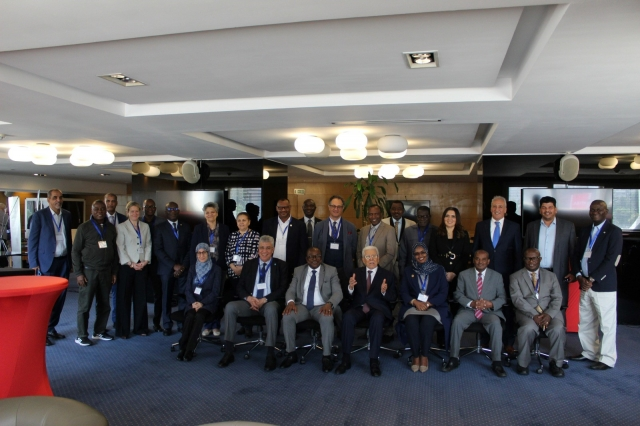
In an effort to address the pressing issue of Peste des Petits Ruminants (PPR) within North Africa, representatives from North African countries convened from 21 to 23 April 2024 in Casablanca, Kingdom of Morocco, to validate the regional strategy for the eradication of PPR in North Africa.
The inter-regional economic community meeting aimed to improve continental and regional coordination and harmonization of PPR disease management, as well as to validate the regional strategy for the eradication of PPR and the control of priority small ruminant diseases.
Participants included Chief Veterinary Officers (CVOs) and PPR National Coordinators from Tunisia, Libya, Morocco, Mauritania and Egypt, alongside key stakeholders such as the PPR Global Secretariat, the Union du Maghreb Arabe (UMA), African Union – Inter African Bureau for Animal Resources (AU-IBAR), FAO, The World Organisation for Animal Health (WOAH), the Mediterranean Animal Health Network (REseau MEditerranéen de Santé Animale (REMESA), and various regional organizations.
The meeting, held in the framework of the Pan-African Programme for the Eradication of PPR, aimed to enhance regional collaboration in combating this highly contagious viral disease affecting small ruminants. Discussions centered on aligning national strategies with the PPR Global Control and Eradication Strategy (PPR GCES).
The five countries -Algeria, Libya, Mauritania, Morocco, and Tunisia – of the UMA Region and Egypt have around 95 million sheep and goats, representing 13 percent of the African small ruminant population and 4 percent of the global population. Within North Africa, small ruminants play a vital role in ensuring food security, fostering economic development and enhancing the overall well-being of communities. However, like in other parts of Africa, the sustainable and prosperous production of small ruminants in the North African region is hindered by the prevalence of infectious diseases like PPR. Moreover, the movement of small ruminants, whether as part of traditional farming practices, or illegal, between countries, serves as a crucial epidemiological factor that impacts the control of animal diseases, including PPR, within the region.
With PPR posing significant threats to food security, livelihoods, and biodiversity, the need for coordinated action is paramount. Participants emphasized the importance of strengthening veterinary services and fostering inter-regional cooperation to effectively implement PPR eradication measures.
Key outcomes of the meeting included the validation of the revised PPR regional strategy for North Africa subject to the involved countries approvals, the development of coordinated work plans and advocacy for resource mobilization.
With the CVOs of North African countries signing the revised regional strategy, a renewed coordination to improve small ruminant health and production to help achieve the global goals is mainstreamed.
Source : FAO, 2024