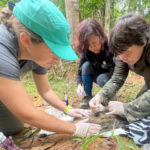



When African Swine Fever (ASF) or other transboundary diseases strike, the conversation almost always pivots to diagnostic kits and vaccination drives. These tools are vital, but they overlook the daily reality of millions of smallholders. In Vietnam, a simple, low-cost model has shown that resilience doesn’t have to be high-tech. By enforcing basic biosafety discipline netting, mandatory boot disinfection, and strict visitor controls farmers have built a physical and procedural “shield” that protects their herds from regional outbreaks without expensive infrastructure.
This approach is highly transferable to Africa, where small-scale farmers dominate pig production. Instead of waiting for top-down funding for mass vaccination, we should cultivate a culture of sovereign biosafety. The most effective defense against a virus isn’t always a syringe, it can be the consistent act of locking a gate or cleaning a boot. For One Health researchers and field veterinarians, this is a chance to transform subsistence farming into a more predictable and resilient economic asset.
This model also unlocks new potential for digital surveillance. National systems like often struggle with inconsistent field data. But when farms adopt standardized biosafety protocols, they become reliable production hubs and disease sentinels. Integrating simple log-based practices into reporting frameworks can turn fragmented local data into a real-time map of disease risk.
The ultimate goal is to close the gap between academic research and rural resilience. Biosafety should be seen not as a technical chore, but as an investment in household wealth. Whether through gender-inclusive cooperatives or grassroots veterinary networks, every farm can become its own first line of defense. It’s time to stop reacting to “wealth shocks” and start building the walls that keep them out.