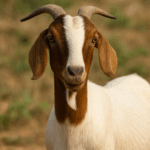



Senegal has unveiled a monumental 145 billion FCFA roadmap to revolutionize its livestock sector, signaling a shift from traditional pastoralism to a high-tech industrial powerhouse. At the heart of this ambitious initiative is the strategic management and genetic integration of 1,050 high-performance bovines, serving as the biological engine for national herd improvement. This is not merely a purchase of livestock; it is a comprehensive infrastructural overhaul. The program encompasses the construction of modern slaughterhouses, climate-controlled storage facilities, and digitized tracking systems designed to bring Senegalese meat and dairy production up to international sanitary standards. By merging large-scale infrastructure with precision breeding, the government aims to drastically reduce the nation’s dependence on food imports, turning the “Made in Senegal” label into a hallmark of quality.
The socio-economic ripples of this investment are poised to transform the rural landscape, offering a lifeline to millions whose livelihoods depend on the silver-grey herds of the Sahel. By professionalizing the value chain, the program moves beyond the ranch, creating a surge in downstream employment from specialized veterinary services and fodder production to logistics and retail entrepreneurship. For rural communities, this represents a transition from subsistence to surplus. The injection of 145 billion FCFA is designed to empower local cooperatives, ensuring that the wealth generated by increased milk yields and superior beef quality stays within the territories. This systemic shift is expected to bolster food security and provide the youth with a viable, modern alternative to urban migration, anchoring the rural economy in sustainable prosperity.
However, a transformation of this magnitude is not without its hurdles. The primary challenge lies in the long-term sustainability and equitable distribution of these resources. Critics and analysts point to the need for rigorous governance to ensure that the 1,050 founding bovines and the accompanying infrastructure do not become “white elephants” but remain accessible to small-scale herders. Maintaining high-tech facilities in arid environments requires a consistent technical workforce and a robust maintenance culture. Furthermore, ensuring that the project survives political cycles and fluctuating global commodity prices will be the true test of its resilience. Senegal must balance industrial efficiency with ecological sensitivity, ensuring that the drive for productivity does not deplete vital water and land resources.
Looking beyond its borders, Senegal is positioning itself as a continental lighthouse for agricultural innovation. This 145 billion FCFA gamble is a bold statement of intent: that African livestock systems can be both modern and resilient. As the Sahel faces the intensifying pressures of climate change and population growth, Senegal’s model offers a blueprint for how state-led investment, when coupled with private sector agility, can de-risk the agricultural sector. If successful, this program will do more than just feed a nation; it will cement Senegal’s role as a regional leader in the African agrarian revolution, proving that with the right scale of ambition, the continent’s pastoral heritage can be the bedrock of its industrial future.