



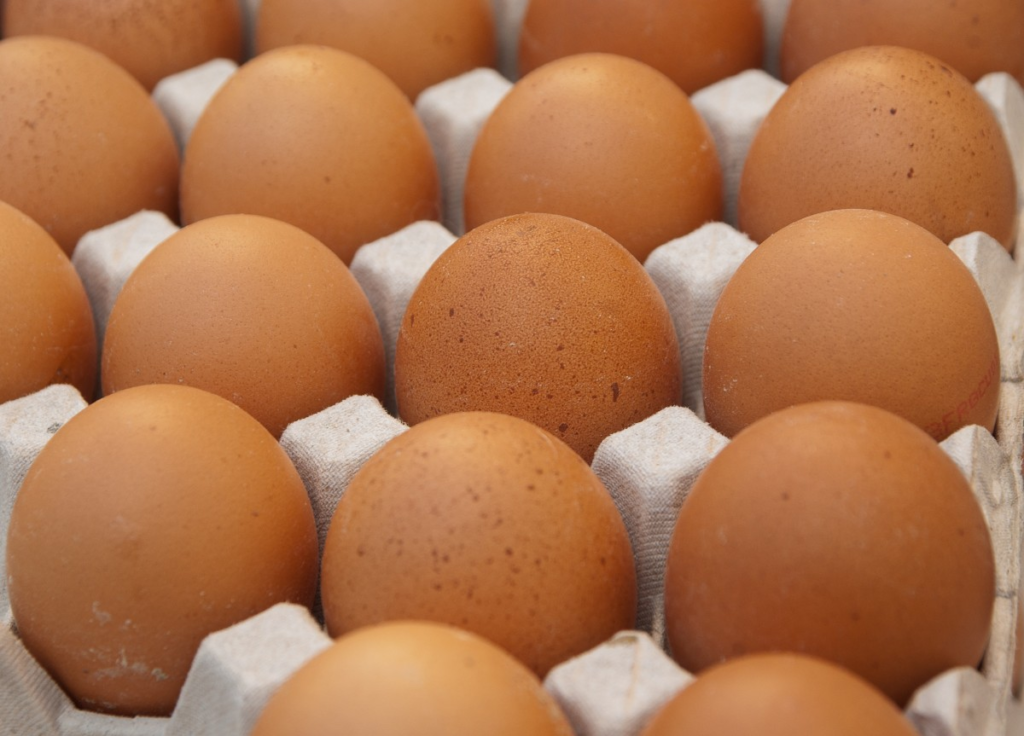
On August 27, Dr. Taïga, the Minister of Livestock, Fisheries and Animal Industries (Minepia), inaugurated a state-of-the-art egg incubation unit in Maroua, the capital of the Far North region. This new facility, with a weekly capacity of 57,600 eggs, represents an investment of over 100 million FCFA.
A Response to Production Challenges
During the inauguration, Dr. Taïga emphasized that this hatchery, capable of producing 19,200 chicks and hens that lay between 210 and 225 eggs annually, directly addresses the issue of insufficient egg production in the three northern regions. Additionally, at just two months old, a chicken can reach a weight of 1.8 kg, ready for consumption.
An Ambitious Project
This initiative is part of the government’s efforts to strengthen local poultry production. The Maroua unit is the second of its kind, following the one in the Northwest region, which can produce up to 160,100 eggs per day, with the potential to expand to 350,000 eggs.
The inauguration coincided with the 71st session of the Board of Directors of the Caisse de Développement de l’Élevage du Nord (CDEN), also chaired by Dr. Taïga. On this occasion, the minister encouraged local economic actors to invest in the development of such infrastructures: “It is not the state’s responsibility to set up these tools. It is up to you, the economic elites and active forces, to meet this challenge,” he reminded attendees.
Support for Women in the Region
Moreover, in collaboration with the FAO, the Minepia has trained 39 individual women and 6 women’s groups, totaling 300 participants from the Far North region. These women received 2,500 breeding chicks, 6 incubators, and 45 traditional poultry farming buildings to stimulate local poultry production.
Lifting the Import Ban
Following the discovery of an avian flu case in March, the Cameroonian government had banned the importation of poultry products. However, recently, borders have been reopened to egg and chick imports. This new infrastructure supports the lifting of the import ban, marking a turning point for the poultry sector.
Despite the challenges posed by avian flu outbreaks over the past decade, the poultry sector has managed to rebound with support from public authorities. According to the National Institute of Statistics (INS), chicken production increased by 18% in 2021, reaching 52,600 tons, making it the second-largest source of meat in the country, accounting for 19% of total quantities, far behind the beef sector, which provided 125,000 tons (46%).